
The Operator’s Perspective
The latest news and insights from the FoodServiceIQ team. Explore our practical guide to restaurant inventory management.

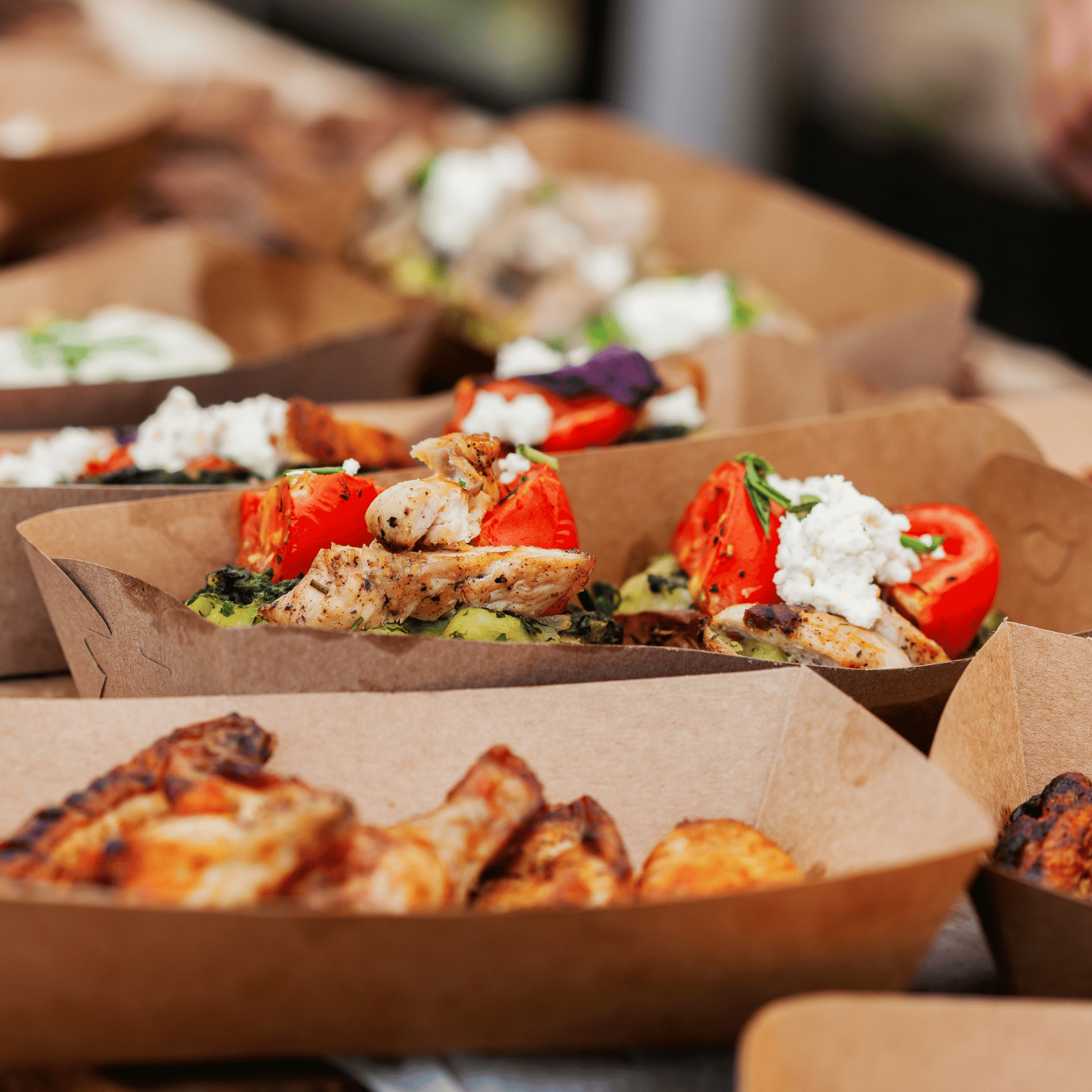
The Food Service Procurement System Independent Restaurants Need to Compete with Chains
Independent restaurants often operate without the procurement infrastructure large chains rely on. Here’s how modern foodservice procurement helps operators gain pricing visibility, stronger contracts, and better control over food costs.
How Independent Restaurants Compete Without Building Large Food Procurement Teams
Independent restaurants operate on tight margins, and even small improvements in purchasing can meaningfully improve profitability. While many operators focus on menu pricing or labor, procurement is often one of the most overlooked opportunities to control costs.

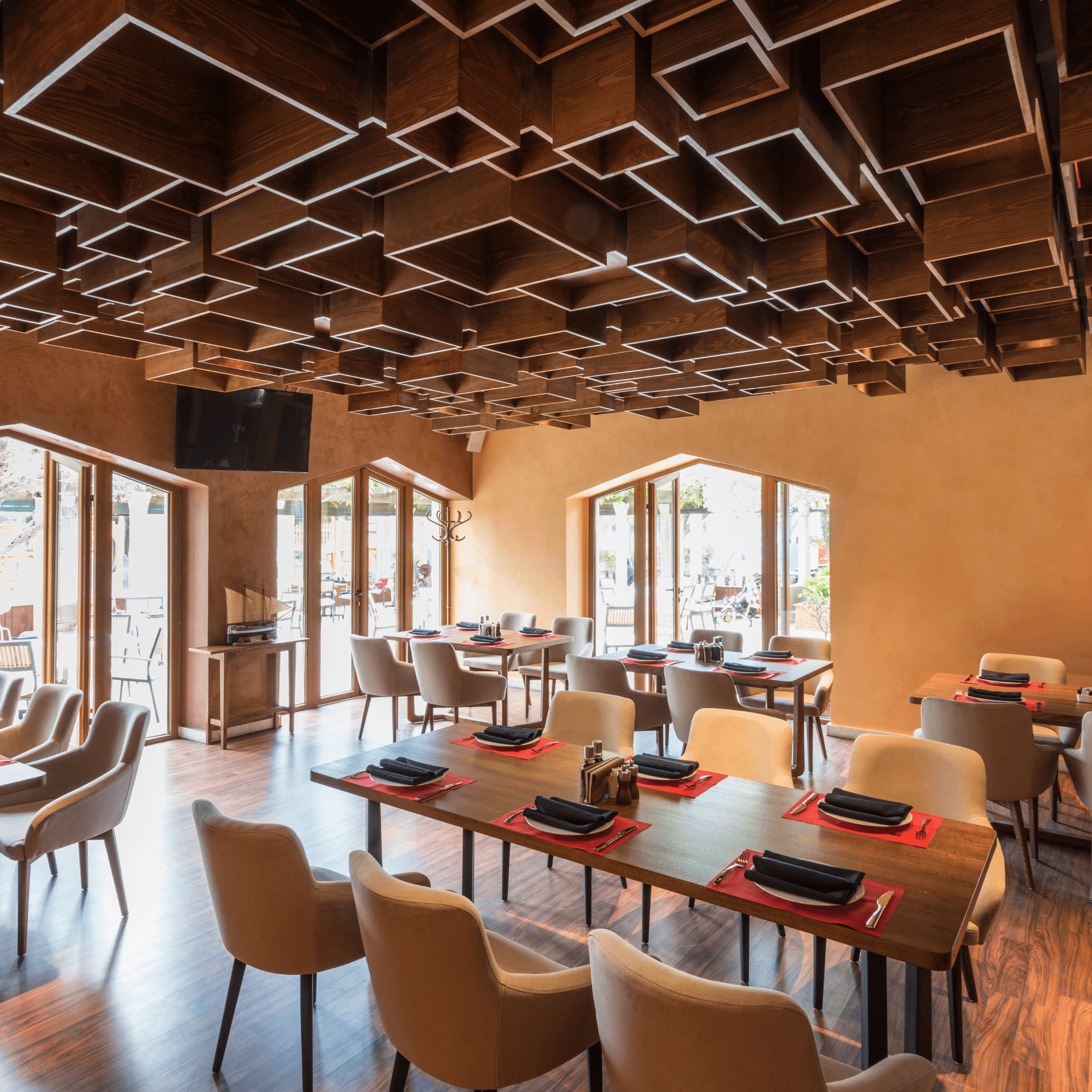
How to Reduce Food Cost in a Restaurant Without Changing Suppliers
This playbook outlines practical strategies independent restaurants can use—modeled after national chain procurement practices—to improve pricing transparency, strengthen supplier alignment, and recover margin without operational disruption.
Buying Groups for Restaurants, When They Help, When They Don’t
Food costs typically represent 25–35% of restaurant sales, which is why many operators turn to food buying groups for better pricing through collective purchasing power. While these groups can improve baseline pricing, they don’t automatically optimize a restaurant’s full procurement strategy.
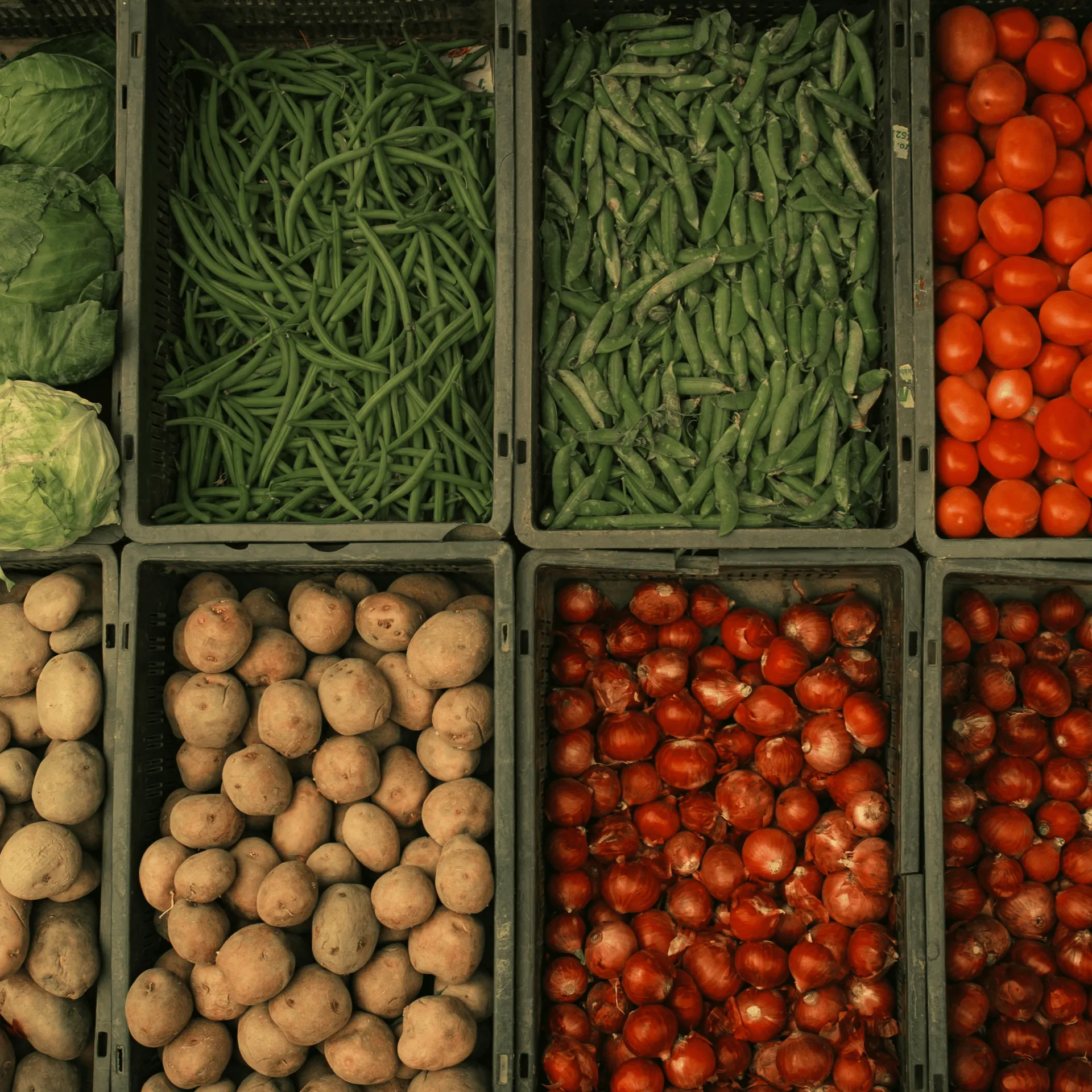

10 Ways Independent Restaurants Can Reduce Food Costs Without Cutting Corners
Independent restaurants lost an estimated $2.37 billion in recoverable profits on food costs last year. Not because operators chose the wrong vendors or ingredients, but because most independents operate within procurement systems that quietly disadvantage them.
How Multi-Location Restaurants Leave Money on the Table (And How to Stop)
Most multi-location restaurant groups have more purchasing power than they realize, but that leverage often gets lost when each unit orders and negotiates separately. For growing restaurant groups, unified procurement can recover margin, improve cost visibility, and create a stronger foundation for profitable expansion.
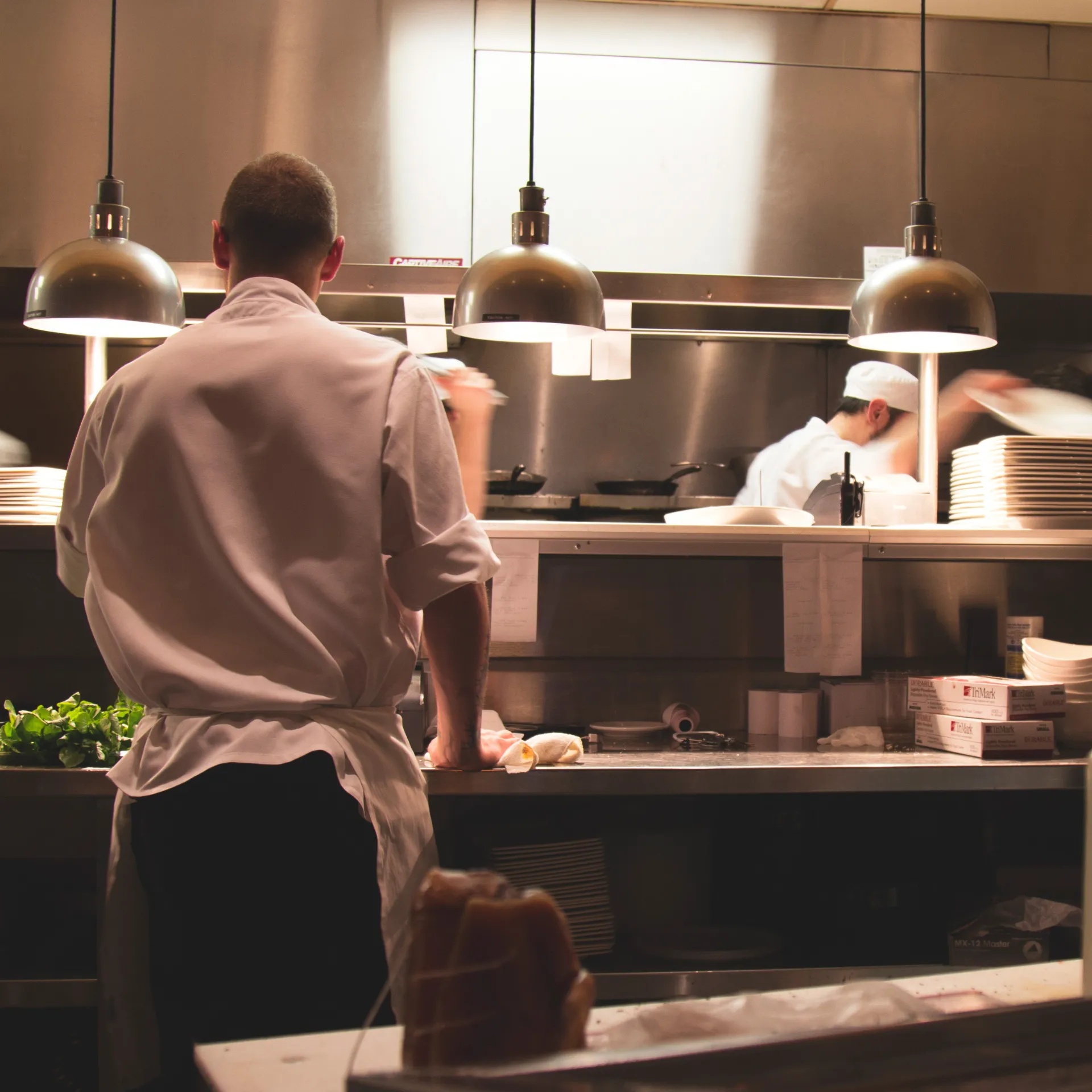
%20(1920%20x%201920%20px).png)
How to Read Your Distributor Invoice
Most restaurant operators treat distributor invoices like utility bills: review the total, approve the payment, and move on. But hidden inside those line items are the pricing shifts, surcharges, substitutions, pack-size changes, and fees that quietly affect food cost percentage every week.
The Widening Gap Between Independent Restaurants and Chains and What's Actually Driving It
With food costs more than 35% above pre-pandemic levels, labor costs rising, and typical independent restaurant net margins sitting between 3% and 5%, operators had little room to absorb cost increases.
.webp)
.webp)
How Distributor Pricing Actually Works and Why You Can't See It on Your Invoice
Food service procurement pricing is shaped by a system most independent restaurant operators never see. Distributor invoices show product codes, pack sizes, and sell prices, but they do not reveal the underlying cost, markup, deviated pricing, or manufacturer incentives that determine what operators actually pay.
Read ArticleThe Food Cost Formula (And What Your Percentage Should Actually Be)
The food cost formula, worked examples, and the percentages a healthy restaurant should hit, from former Sysco and US Foods executives.
Read ArticleWhat Is a Good Food Cost Percentage?
Most full-service restaurants target 28-32% food cost. See realistic benchmarks by segment, how to calculate yours, and what to do when the number drifts.
Read ArticleRestaurant Inventory Management: A Practical System
A working inventory system for independent restaurants: what to count, how often, the variance math that finds money, and the mistakes that distort food cost.
Read ArticleRestaurant Profit Margin: What's Normal and Where It Leaks
Full-service restaurants typically net 3-6%. See how restaurant profit margin is calculated, what's normal by segment, and the five places margin leaks.
Read ArticleGPO vs. Outsourced Procurement: What Independent Restaurants Are Choosing Between
How foodservice GPOs and outsourced procurement teams differ on pricing, contracts, and incentives, and which fits an independent restaurant group.
Read ArticleRestaurant Procurement Software vs. an Outsourced Procurement Team
Procurement software shows you what you spent. An outsourced procurement team changes what you pay. How the two differ on cost, effort, and outcome.
Read ArticleAlternatives to Dining Alliance and Buyers Edge for Independent Restaurants
Comparing GPO buying groups with outsourced procurement: how rebate-funded and fee-based models differ, and what to ask before signing either one.
Read ArticleOutsourced Procurement for Restaurants: What It Is and When It Pays
What outsourced procurement for restaurants covers, how it differs from a buying group, what it costs, and when it is worth it for an independent operator.
Read ArticleHow to Audit a Sysco Invoice, Line by Line
A month by month method for auditing a Sysco invoice: rebuild the case price, flag moves over 5%, check split lines, and take findings back to your rep.
Read ArticleWhat a Restaurant Purchasing Consultant Does (and When You Need One)
What a restaurant purchasing consultant actually does, when an independent operator needs one, and how the role differs from a buying group.
Your Distributor Raised Prices Mid-Contract. Here Is What to Do
How to tell a real landed cost increase from margin creep when your distributor raises prices mid-contract, and what to ask for.
Why Is My Food Cost Rising? Seven Causes to Check First
Seven reasons restaurant food cost rises, only one of them the market, and how to find each one in your distributor invoices before you raise menu prices.
Read ArticleFood Distributor RFP: Why Independent Restaurants Get Weaker Terms, and How to Fix It
Why broadline distributors give independent restaurants weaker pricing terms and incentives than high-volume buyers, and how aggregated buying power closes the gap.
Read ArticleCan an Independent Restaurant Negotiate With Sysco?
What an independent restaurant can negotiate with Sysco, why a single account has limited leverage, and how aggregated buying power changes the terms.
Read ArticleMaster Distribution Agreement for Restaurants: What to Check Before You Sign
What a master distribution agreement covers, the terms restaurant groups should check before signing, and where MDAs usually differ from the proposal.
Read ArticleUS Foods vs Sysco: Which Distributor Is Better for Your Restaurant?
How US Foods and Sysco compare for independent restaurants, how to run a fair like-for-like bid, and when switching distributors pays.
Read ArticleCost-Plus Pricing for Restaurants: How Distributor Contracts Set Your Price
How distributor cost-plus pricing works for restaurants: margin, markup and fee-per-case formulas, the cost basis, category schedules, and how to audit them.
Read Article


